
Search Valdez Residents Directory
Valdez Residents Directory helps you find the right local office when you need a city record, a police report, or a state case search tied to Valdez. The city sits on Prince William Sound and serves as the southern end of the Trans-Alaska Pipeline, so local searches often touch city services, public safety, or records tied to a busy port town. If you start with the right office, you save time and keep the request clean. That matters in Valdez, where city pages, state court tools, and public record sources each handle a different part of the trail.
Valdez Residents Directory and city records
The city home page at City of Valdez is the first stop for many Valdez Residents Directory searches. It brings together the city services that matter here, including police, fire, and harbor support. That local mix is important because Valdez is not a generic inland town. It is a working port city with a marine terminal, a pipeline end point, and a public front end that still points you back to the office that created the record. When the clue starts with a name, an address, or a city issue, the city site is the cleanest lead.
Valdez city records can include meeting pages, notices, department contacts, and other public files that help you sort out who handled the matter. A Residents Directory search works best when you keep the record tied to the office that made it. That might be the clerk side of the city, the police side, or a service page that points to the next step. The city site is also useful when you want to confirm that the record is really local. In a place like Valdez, that saves you from chasing a trail that belongs to another agency.
The city’s structure also helps you read the context of the record. Valdez is known for its harbor work, marine traffic, and energy role, so a city file may sit next to public notices that make sense only when you know the local setting. That is why the Valdez city page matters so much in a Residents Directory search. It gives you the official start point, the right local tone, and the link path you need before you move on to a state source or make a request.
If you are trying to get a record rather than just confirm that one exists, stay close to the city page and follow the public contact path. That is true whether you need an office phone number, a public notice, or a clue that points you to another local branch. A Valdez Residents Directory page should not force guesswork. It should show where the city keeps its own material and where to go next when the record is outside the homepage.
Valdez Residents Directory for police and fire records
Police records belong with the Valdez Police Department, which keeps incident and arrest records and handles requests through the department. The official page at Valdez Police Department is the right source when your Valdez Residents Directory search begins with a call, a report number, or a public safety event. Police records do not start on a third-party site. They start where the event was logged. That simple rule keeps the search honest and makes it easier to ask for the right file the first time.
Fire matters can follow a different path. The city provides fire service, and the page at Valdez Fire Department is the official place to check when the clue points to a response, a local incident, or a department notice. Not every fire-related question becomes a public record, but the city page still tells you where to begin. In a Valdez Residents Directory search, that distinction matters. Police records, fire files, and general city notices each live in their own lane.
A good local search starts with the kind of record you need. If the issue came from an arrest, a stop, or a call for service, use police. If it came from a fire run or a department response, use fire. If it came from a general city notice, go back to the home page. The City of Valdez site keeps those paths close together, which is helpful when you only have part of the story and need to sort the rest out.
That same approach helps when you need to ask for a copy. A department page can show you the contact path, the office name, and the type of public information the city is willing to discuss. It also keeps you from treating every local matter as if it were one record type. Valdez has a strong city identity, but the records still follow the office that made them. That is the key to a useful Residents Directory search.
Harbor work adds another local layer. Valdez harbor services matter because the city sits on the sound and handles marine traffic. If your clue points to a harbor issue, the city home page is still the right start because it connects the service back to the city. A Valdez Residents Directory search is strongest when the link to the office is clear, and the city website gives you that anchor without extra noise.
Valdez Residents Directory and CourtView
Some Valdez searches move from the city to the courts. The state CourtView portal at CourtView case search portal is the best fallback when a Valdez Residents Directory lead turns into a case search. It lets you search public case information by party name, case number, or ticket number. That is useful when the clue is tied to a hearing, a filing, or a court event that the city did not create. The Alaska Court System keeps the official source, so the search stays tied to the right record holder.
The broader Alaska Court System site is also worth keeping open. It points to court contacts, forms, calendars, and general court structure. That matters because not every case item is fully posted in CourtView. Some records are public in part, some are limited, and some live only in the courthouse file. A Valdez Residents Directory search should reflect that reality. The court site is useful when you need the public path, the clerk path, or the official court name before you go any farther.
The CourtView image below comes from the court system site at CourtView case search portal, and it is the best state fallback for a Valdez page that needs an official court search visual. It fits this page because many Valdez record questions eventually point to a case number, a hearing date, or a public court file.
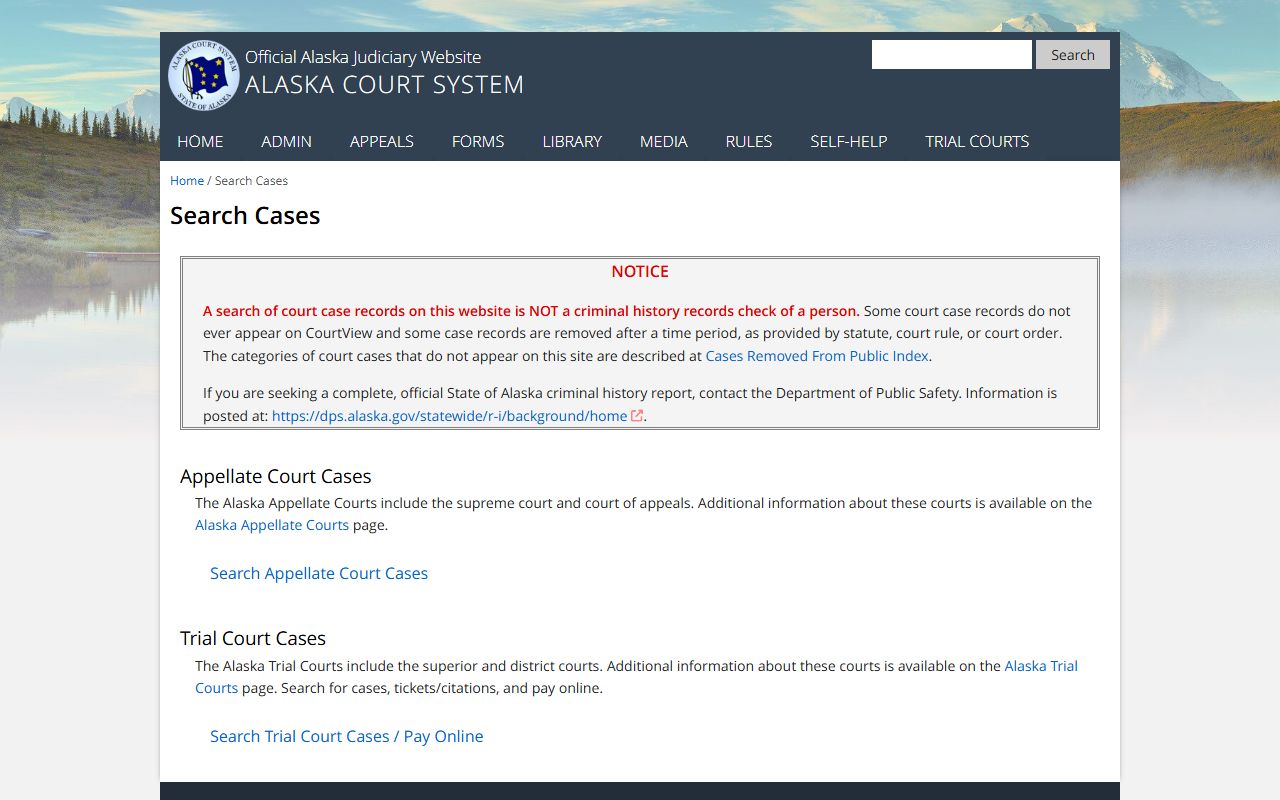
That image keeps the page grounded in an official Alaska court source. It also reminds you that court records and city records are not the same thing, even when the search starts with one Valdez name.
Some records never show on the public portal. Others appear only in part. That is normal, and it is why the main court site matters as much as the search page. If a Valdez Residents Directory lead gets stuck, the best move is to stay with the Alaska Court System and follow the contact or clerk path shown there. A public portal is helpful, but the courthouse file is still the source of record when you need a full copy.
Public access is the point, but it is not the whole file. CourtView gives you a fast way to confirm whether a case exists and where it sits. The Alaska Court System page helps you see the larger court structure around that search. Together, they give a Valdez Residents Directory search a clean, official path that stays far better than a low quality third-party summary page.
Valdez Residents Directory for state records
When a Valdez clue turns into a statewide record, the Alaska health office is the right next step. Health Analytics and Vital Records is the official source for birth, death, marriage, divorce, and other vital record services. The companion page for Vital Records Orders and Information explains how requests move through the state system. That helps when the record is personal, certified, or simply outside city control. A Valdez Residents Directory page should point you to the office that actually holds the file, and for vital records that office is the state.
Business and license questions follow a similar pattern. The state Corporations database is the right place to check if a Valdez name matches a company filing, while Commerce CBPL supports business and professional licensing records. That matters in a port city where a person, a company, or a trade name may show up in more than one place. A Residents Directory search is not just about people. It can also be about a filing trail, a license trail, or an entity name trail that points to the state instead of the city.
Money and property clues can go to the state too. If a Valdez search leads to old checks, inactive accounts, or other held funds, the pages at Alaska Unclaimed Property and Treasury Division give you the official route. Those sources are not city pages, but they often solve the same sort of search problem. A name, a last known address, or a business link can make the difference between a dead end and a useful lead. In that sense, they fit the same Residents Directory workflow.
Public access rules also matter when you are trying to understand what can be shared. The Alaska Legislature site is the public source for bills, journals, and committee work, and the Open Government Guide for Alaska gives plain language support for public records access. When a Valdez Residents Directory search needs more than a city contact page, those sources help you read the public process without drifting into rumor or guesswork. They are especially useful when you want the rule behind the record, not just the record itself.
The strongest searches use the right layer at the right time. Start with the city for local services, move to police or fire for public safety records, use CourtView for court matters, and shift to state offices when the record is truly statewide. That order keeps a Valdez Residents Directory search tight and practical. It also makes each step easier to explain if you need to ask for a copy or follow up with the office that owns the file.
Valdez is small enough that one official page can tell you a lot, but broad enough that the search still needs structure. The city homepage, the police page, the fire page, the court system, and the state record offices each cover a different part of the trail. When you follow them in that order, the search stays clean. It also keeps you away from low quality third-party pages that may look helpful but do not hold the record you need.