
Search Knik-Fairview Residents Directory
Knik-Fairview Residents Directory searches work best when you begin with Mat-Su Borough tools and then move outward only if the record points somewhere else. Knik-Fairview is a Mat-Su community, so the first stop is often the borough site, not a separate city office. That matters when you are trying to find property details, tax pages, planning notes, assembly records, or a court clue tied to a name or address. This guide keeps the path simple. It shows where the official record lives and how to reach it without wasting time on the wrong office.
Knik-Fairview Residents Directory and Mat-Su
The main borough site at matsugov.us is the core starting point for a Knik-Fairview Residents Directory search. Mat-Su Borough handles the public tools that most local searches need first. Property search, tax payments, planning and permits, and assembly records all sit in that same county-level space. When you have a name, parcel clue, or street hint, the borough site helps you decide whether the record is public, local, and ready to look up.
Knik-Fairview does not have a separate city hall of its own, so a local search usually depends on the borough office that already owns the file. That makes the search cleaner. It also cuts down on false hits. If the clue sounds like land use, assessment, subdivision work, or a meeting item, stay with Mat-Su first. If the clue moves into a city service file, then check Wasilla or Palmer next. The goal is to match the office to the record, not force the record into the wrong place.
The borough page is also useful because it keeps several record types in one place. A Knik-Fairview Residents Directory search may begin with a person, but it often ends with a parcel, permit, or agenda item. That is normal in Mat-Su. The same name can appear in more than one office, and each office may show a different part of the story.
Knik-Fairview Residents Directory Property Search
The fastest property clue is the borough property search at Mat-Su property search. You can look by parcel number, owner name, or address. That lets you move from a general Residents Directory search to a concrete parcel record. It can show the lot, assessed value, map context, sales history, and other details that help you confirm you have the right place.
Tax pages on the borough site are just as helpful. They tell you where the bill lives, which office handles payment, and whether the parcel shows an active public trail. When a Knik-Fairview Residents Directory search starts with a home, a lot, or a business site, tax and property pages often answer the first questions before you need anything else. That keeps the search practical and grounded in the real record holder.
Planning and permits also matter here. A location can show up in a land use review, a permit file, or a zoning note long before it shows up anywhere else. That is why Knik-Fairview property research should stay close to the borough first. The borough already has the map, the parcel logic, and the public record trail in one place.
- Parcel number, owner name, or street address
- Tax bill status or payment trail
- Permit clue, zoning note, or subdivision reference
- Sales history or assessment detail
- Map view or boundary question
If you only have a name, pair it with a place. If you only have an address, use the parcel tool first. Small clues work better when they stay narrow.
Knik-Fairview Residents Directory Planning Records
Planning records can be the bridge between a place and a decision. The Mat-Su Borough planning side helps with permits, review steps, subdivision work, and land use questions. That matters in Knik-Fairview because many local clues are not stand-alone files. They are part of a process. A permit, notice, or land use item may explain why the record exists and where to ask next.
Assembly records give the same kind of context from a different angle. Minutes, agendas, and ordinances show how local decisions were discussed and approved. If a Knik-Fairview Residents Directory search lands on a policy issue or a public meeting note, the assembly trail can show the source behind the action. That makes the search more than a simple lookup. It becomes a way to see how the record fits into the borough's public work.
A search is strongest when it stays tied to the office that created the file. For Knik-Fairview, that usually means Mat-Su Borough first. If the file is a planning matter, keep the search on the borough side until the clue clearly points elsewhere. That habit saves time and keeps the record path clear.
Wasilla and Palmer Residents Directory Help
Wasilla and Palmer are the nearby city support points that matter most for Knik-Fairview. Wasilla's main site at cityofwasilla.com is useful when a local clue leads to city services, council material, police, fire, or public works. Its city council page is a strong stop when the record trail starts with a meeting, resolution, or city action. That kind of file often helps explain why a name appears in the public record.
Palmer works the same way, but its office is different. The City of Palmer site gives you the city portal, while the Palmer City Clerk is the better stop for council files and official city records. If your Knik-Fairview Residents Directory search turns up a city name, a city event, or a local government item, that city clerk path is often the right one. It keeps the search close to the office that created the paper trail.
That city support matters even when the place is not in a city boundary. People often live in a Mat-Su community but still need a city contact for a nearby service or a related public record. In that case, Wasilla or Palmer can help bridge the gap. They do not replace Mat-Su Borough. They fill in the next local layer when the clue points that way.
Knik-Fairview Residents Directory Images
The Mat-Su Borough homepage at matsugov.us is the best image anchor for a Knik-Fairview Residents Directory page because it shows the borough office that handles most local public record paths.
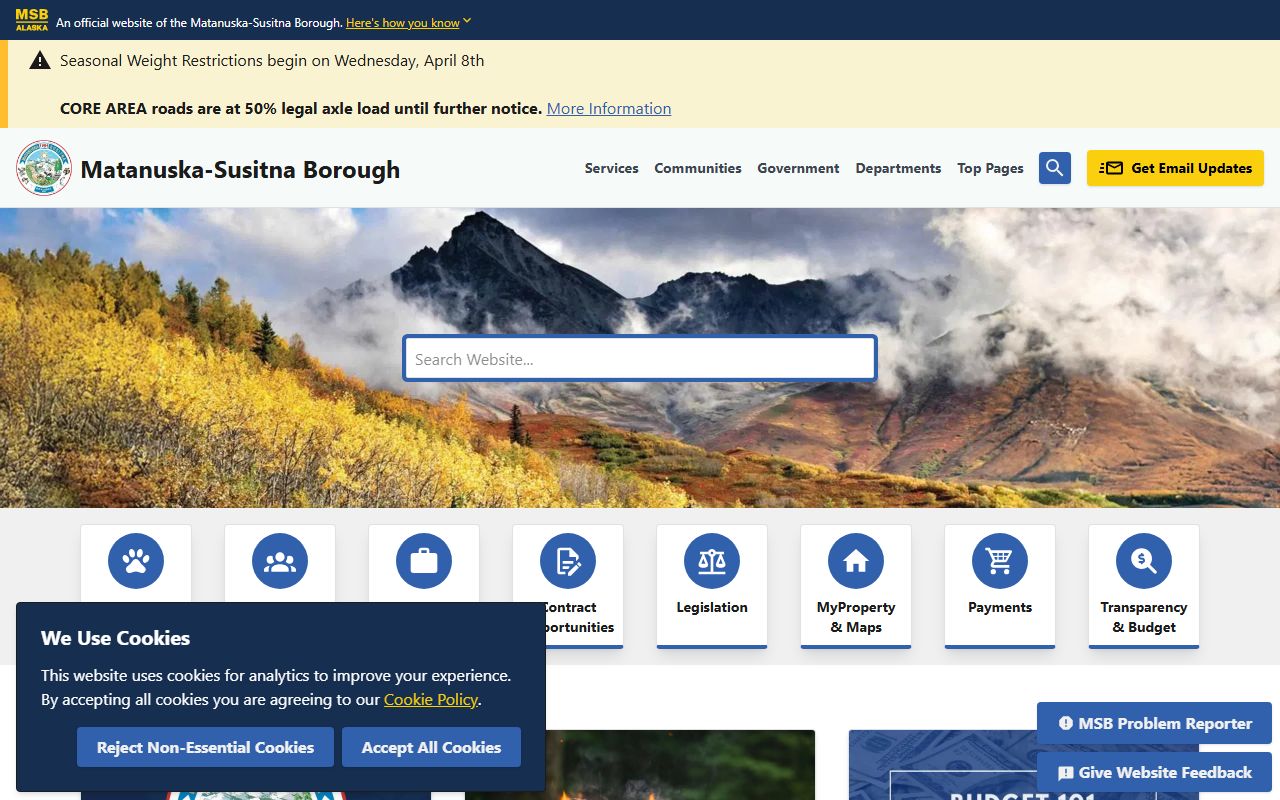
That image fits this page because Knik-Fairview searches usually begin with Mat-Su property, planning, tax, or assembly tools before they move anywhere else.
The City of Wasilla homepage at cityofwasilla.com is the second local fallback. It gives a nearby city view that works well when a Knik-Fairview Residents Directory search needs a city source rather than a borough one.
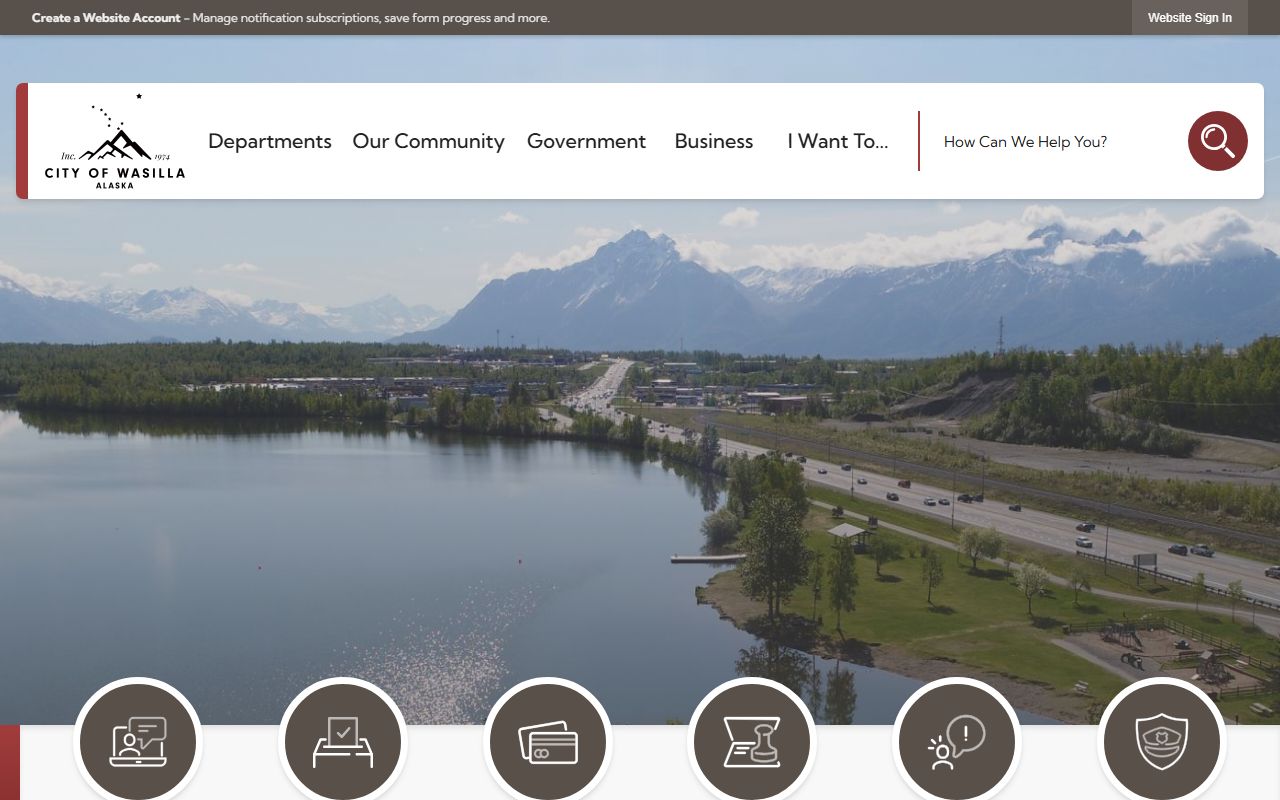
That fallback image helps because Wasilla is a common next step for Mat-Su record work. It keeps the page local without inventing a Knik-Fairview office that does not exist.
Knik-Fairview Residents Directory Court and State Records
Some Knik-Fairview searches leave the borough and city layer behind. When that happens, the Alaska Court System is the right next stop. The public case search at CourtView helps you find case summaries, party names, and hearing dates. The main court site at courts.alaska.gov gives the clerk contacts, forms, and court structure if the public index is not enough.
Court records have limits. Some files are sealed. Some are removed from public view. Some older matters are harder to see online. That is why a Knik-Fairview Residents Directory search should use CourtView as the first public index, not the final answer. If the record is not there, the court system page can still tell you which office to contact next.
State records can also hold the answer when the local path ends. Vital records are handled through Health Analytics and Vital Records and the vital records orders page. Business names may show up in the Corporations Database or the CBPL site. Unclaimed money can be checked through Alaska Unclaimed Property, while the Alaska Legislature and the Open Government Guide for Alaska help explain the public record rules behind those searches.
- CourtView for public case searches
- Alaska Court System for court contacts and forms
- Vital Records for certificate requests
- Corporations Database for entity checks
- CBPL for business and professional licensing
- Unclaimed Property for money and property searches
- Alaska Legislature for bills and record context
That state layer does not replace local records. It fills the gap when the file belongs somewhere else. A good search follows the record, not the guess.
Knik-Fairview Residents Directory Search Tips
The simplest way to use Knik-Fairview Residents Directory tools is to start with the clearest clue you have. A name is useful. A street is better. A parcel number is best. From there, move to the office that actually holds the record. For most local needs, that means Mat-Su Borough first. For nearby city material, use Wasilla or Palmer. For court, certificate, business, or unclaimed property searches, switch to the state source.
That order keeps the search tight. It also keeps the results honest. Knik-Fairview is a Mat-Su community, so its public record path is a layered one. Borough, city, and state can all matter. Once you know which layer fits the clue, the rest is usually easy to follow.
When the record trail starts to drift, stop and reset. Ask which office created the file. Ask whether the clue is about property, planning, a meeting, a city service, a court case, or a state record. Then search that office first. That habit keeps a Knik-Fairview Residents Directory search focused and useful.