
Search Fishhook Residents Directory
Fishhook Residents Directory works best as a local path into Mat-Su Borough records, nearby city support, and Alaska state sources. Fishhook is part of the Mat-Su community set, so the first useful clue is often an address, parcel hint, road name, or court reference instead of a city office. That is normal. The search gets clearer when you move from the community name to the borough tool, then to the closest city or state source. This page keeps those steps in one place so you can search with less guesswork and find the right public record trail faster.
Fishhook Residents Directory Sources
The most direct local starting point is the Mat-Su Borough site at matsugov.us. Fishhook sits inside the borough system, so a public record search often begins with borough property, planning, tax, or assembly tools rather than a city office. That is useful when the clue is thin. A name can point to an owner file. An address can point to a parcel. A public meeting note can point to assembly records. Each one gives the Fishhook Residents Directory a real lead instead of a broad guess.
Property search is the most practical first step for many local record checks. The Mat-Su parcel tools can help you compare owner names, address details, tax fields, and map context. When a Fishhook Residents Directory search starts with a street number or a subdivision clue, the borough property path can turn that lead into a usable public record trail. It also keeps the search focused on the office that is most likely to hold the file. That saves time and reduces bad matches.
The borough planning and permits path matters for the same reason. Land use, building permits, zoning maps, subdivision records, and code enforcement materials can explain why a place appears the way it does on paper. If a Fishhook clue points to a lot, a permit, or a planning issue, the borough record is the better place to start than a general web search. For a Residents Directory page, that direct match between clue and office is what makes the search useful.
Assembly records and tax payment tools add another layer. A Fishhook Residents Directory search may begin with a name, then move to an assessment, then end with a meeting action or a tax trail. The borough site is built for that kind of search. It lets you move from place to paper, and from paper to the public record that explains it. When the Mat-Su layer is used first, the rest of the search stays tighter.
Fishhook Residents Directory and Mat-Su Borough Property Search
The Mat-Su property search at matsugov.us is the strongest local tool for Fishhook because it covers the borough side of the search in one place. Property records can show the parcel number, assessed value, tax detail, zoning context, and ownership clues that matter when you are trying to identify the right resident or place. For Fishhook Residents Directory work, that is often the cleanest way to get from a rough clue to a verified location.
That search also helps when the question is not about ownership alone. A parcel can connect to planning notes, permit files, or tax history. It can also show how a property fits into the broader Mat-Su map. If your Fishhook clue is only part of the story, the borough property file may reveal the rest. That matters because public records often spread across more than one office, and the first office is not always the last one you need.
Planning and permits deserve their own attention because they are often where local details become visible. The Mat-Su planning side can help when a property, road, or lot is tied to a building permit, subdivision, zoning map, or land use review. A Fishhook Residents Directory search becomes much easier when you know whether the lead belongs to property, planning, or tax. It also keeps you from asking the wrong office for a record it does not own.
Tax records can give a searcher the final confirmation needed to move forward. A tax page may not answer every question, but it can show whether the parcel is current, who the billing contact is, and which office is attached to the property. That kind of detail is especially helpful in a community like Fishhook, where the borough is often the first and best public source. The closer the match between clue and record type, the better the result.
Nearby City Support for Fishhook
Fishhook is not served by a large city record system of its own, so nearby municipal pages can help fill in the gaps. The City of Wasilla at cityofwasilla.com is one of the most useful nearby references because it gives access to city services, notices, and department paths. A Fishhook Residents Directory search may need that kind of local context when a clue points to a city action, a public notice, or a department file that sits near the community instead of inside it.
Wasilla council material at cityofwasilla.com/government/city-council is especially useful when the trail involves public action. Council agendas, minutes, and resolutions can show how a local issue was handled and which office received it. That matters for a Residents Directory search because a name or address may first appear in a meeting file before it shows up anywhere else. If the record trail is public, council pages often help you find the first trace.
Palmer is another nearby support point. The City of Palmer at cityofpalmer.org gives another official local source when a Fishhook clue needs a borough seat reference or a second municipal frame of comparison. Palmer can be useful for city records, local notices, or clerk-related paths that complement the Mat-Su search. The point is not to force Fishhook into Palmer records. The point is to check the closest official source when the clue suggests one may be relevant.
The City of Palmer clerk page at cityofpalmer.org/city-clerk can help when the clue is clearly municipal. Clerk pages often carry ordinances, minutes, and other records that support a directory search. When the Fishhook trail becomes local government paper rather than property paper, that is the sort of office that can move the search forward. A good Residents Directory search keeps the office and the record type aligned.
Fishhook Residents Directory Images
The first fallback image comes from the Mat-Su Borough homepage at matsugov.us. It works well for Fishhook because the borough is the main public frame for local property and planning records.
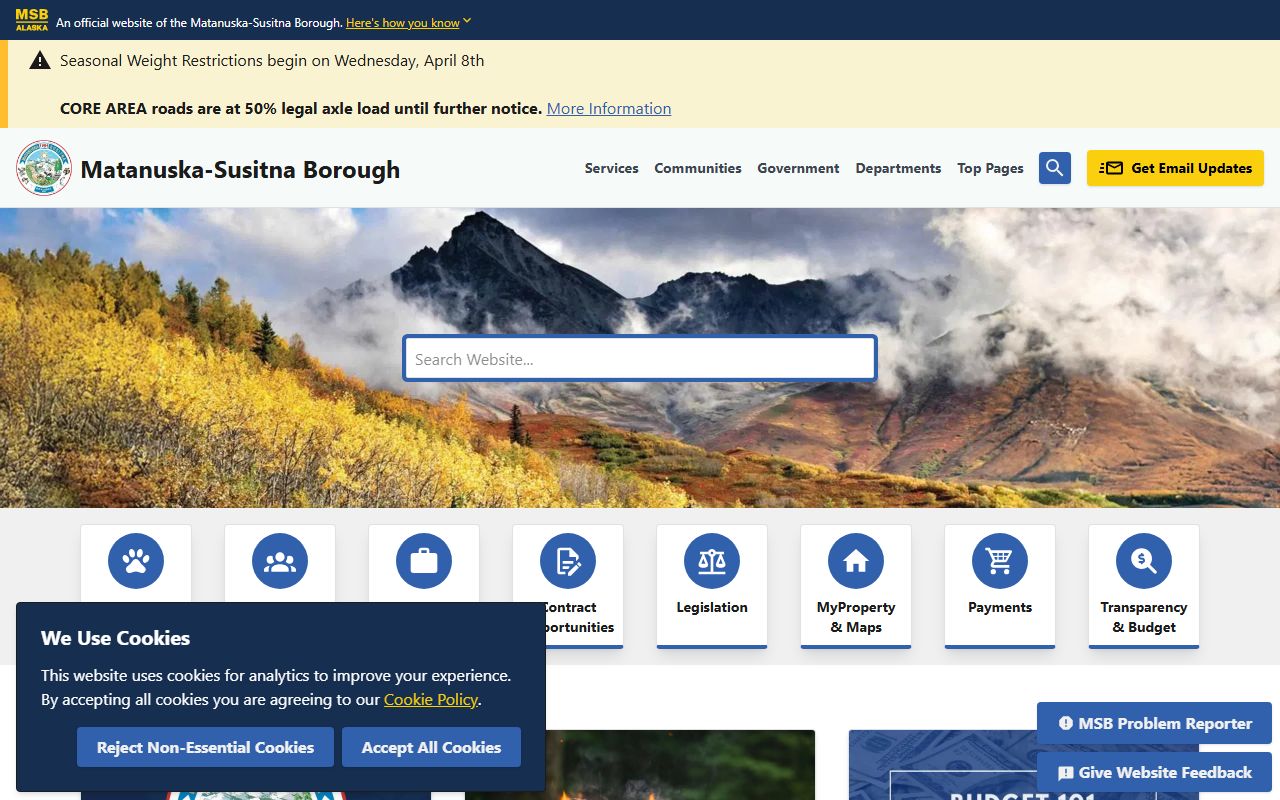
That image is a practical anchor. It reminds you that a Fishhook Residents Directory search often starts with borough records before it reaches any city or state office.
The second fallback image comes from the City of Wasilla site at cityofwasilla.com. Wasilla is a nearby municipal reference that can help when the Fishhook clue needs city context.
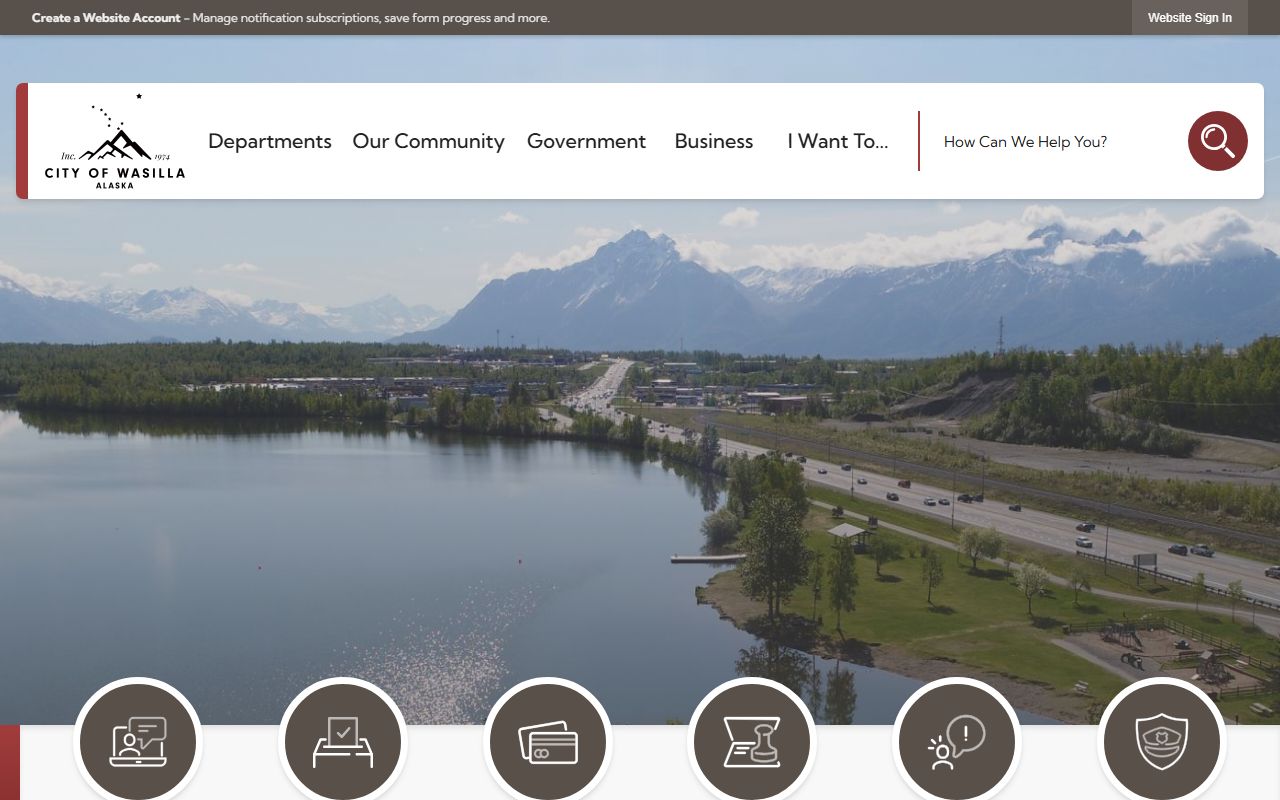
This image adds a local comparison point. It shows the nearby city layer that can sit beside a borough record when the search expands past Fishhook itself.
Together, the two images show the right pattern. Fishhook does not need a made-up local office to be useful. It needs the real local frame, and these official borough and city views supply that frame without adding unsupported detail.
Fishhook Residents Directory Courts
Some Fishhook searches move from property or city clues into court records. The Alaska Court System case search at CourtView is the first place to look for public case summaries, party names, case numbers, hearing dates, and ticket or citation details. A Fishhook Residents Directory search often starts with a person, address, or event, then ends up in a court file. CourtView helps you see whether that trail is public and which court owns it.
The Alaska Court System home page at courts.alaska.gov adds the structure behind the search. It gives courthouse contacts, self-help pages, and general guidance on how Alaska courts work. That matters because CourtView is useful, but it is not the whole file. Some matters do not appear online, and some records are removed or limited under court rule, court order, or statute. The Alaska Legislature site can help if you want to review the legal backdrop behind that limit.
For court record limits, akleg.gov is useful, and the statutory context for record access is often discussed alongside AS 12.62. That does not replace the court system site. It simply explains why a Fishhook Residents Directory search may stop at a public index and then need a courthouse clerk for the next step. If a case is old or incomplete online, the clerk may still be the office that can confirm what exists.
When a court clue is vague, the safest move is to start with the name, then add the borough or nearby city, then look for the case type. A case number is best. A party name is next. A hearing date or citation can also help. If the search lands on a courthouse file instead of an online result, that still counts as progress. It tells you which office owns the paper trail and where to ask next.
Fishhook Residents Directory State Records
Some record trails tied to Fishhook sit at the state level instead of the borough or city. Alaska vital records at Health Analytics and Vital Records and the request page at Vital Records Orders and Information are the right sources when the record is a birth, death, marriage, or divorce certificate. Those pages matter because a Fishhook Residents Directory search can begin with a local name but still end in a state office when the certified copy is what you need.
Business, licensing, and ownership clues can move to state systems too. The Alaska Corporations database is the right place to check a business name, officer name, or registered agent. The CBPL division handles business and professional licensing, which can matter when a Fishhook clue points to a company, contractor, or professional record. Those sources are official and current, which makes them better than broad third-party search sites.
If the trail leads to money or property that was left behind, the Alaska Unclaimed Property site and the Treasury Division can help you follow the name. That program is built to reunite owners with lost property, and it can be searched by name or city. It is also tied to Alaska law, including AS 34.45, which is part of the statutory framework for unclaimed property. That can be useful when a Fishhook search is looking for a public money trail rather than a land record.
Public access guidance also matters. The Open Government Guide for Alaska helps explain what is usually open, what may be withheld, and why a local record request can hit limits. That is helpful in Fishhook because not every clue resolves in one office. The guide gives plain language context, while the Alaska Legislature page keeps the statutory trail visible. Together, they help you understand why one record is public and another is restricted.
There is a simple rule here. Start with the holder most likely to have the record. Use Mat-Su for property and borough files. Use Wasilla or Palmer when a nearby city gives better context. Move to the state when the file belongs there. That keeps a Fishhook Residents Directory search focused and prevents wasted steps.
Fishhook Residents Directory Search Tips
The best Fishhook Residents Directory search usually begins with the strongest fact you have. An address is better than a nickname. A parcel number is better than a street hint. A case number is better than a story. That simple order matters because Fishhook sits in the Mat-Su area, where the record path often runs through the borough first and then, if needed, to Wasilla, Palmer, or the Alaska Court System. The more exact the clue, the less time you spend in the wrong office.
Fishhook also benefits from a layered approach. Start with Mat-Su Borough if the clue is land based. Move to Wasilla or Palmer if the clue looks municipal. Use CourtView if the clue looks legal. Then move to state sources when the record is actually held there. That order is clean, and it keeps a Residents Directory search focused on official public records rather than broad web noise.
Public safety questions follow a similar pattern. Fishhook does not have its own full city police system, so Alaska State Troopers are the regional public safety point when a matter goes beyond neighborhood talk or a basic address search. If the issue is an incident, a report, or a case that might have become public record, the answer often sits with the office that created it. A Residents Directory search is strongest when it stays close to the source and does not assume one office holds everything.
That is the main rule for Fishhook. Use the borough for land and local administration. Use nearby city pages for municipal context. Use the court system for case material. Use the state when the record belongs there. When you follow that path, Fishhook Residents Directory searches stay local, clear, and useful from the first clue to the final record.